



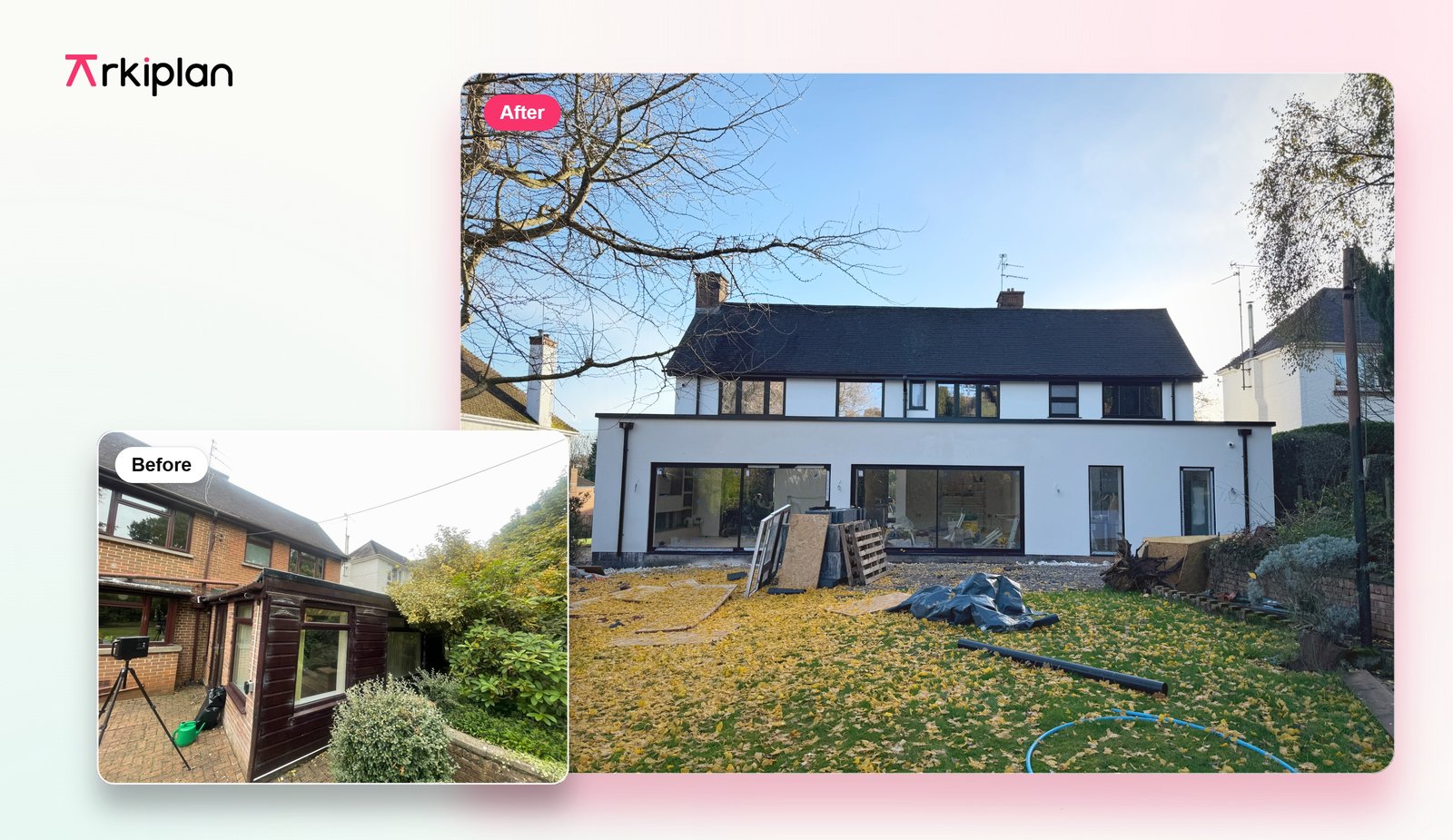
Planning approved
Two-storey extension & remodel
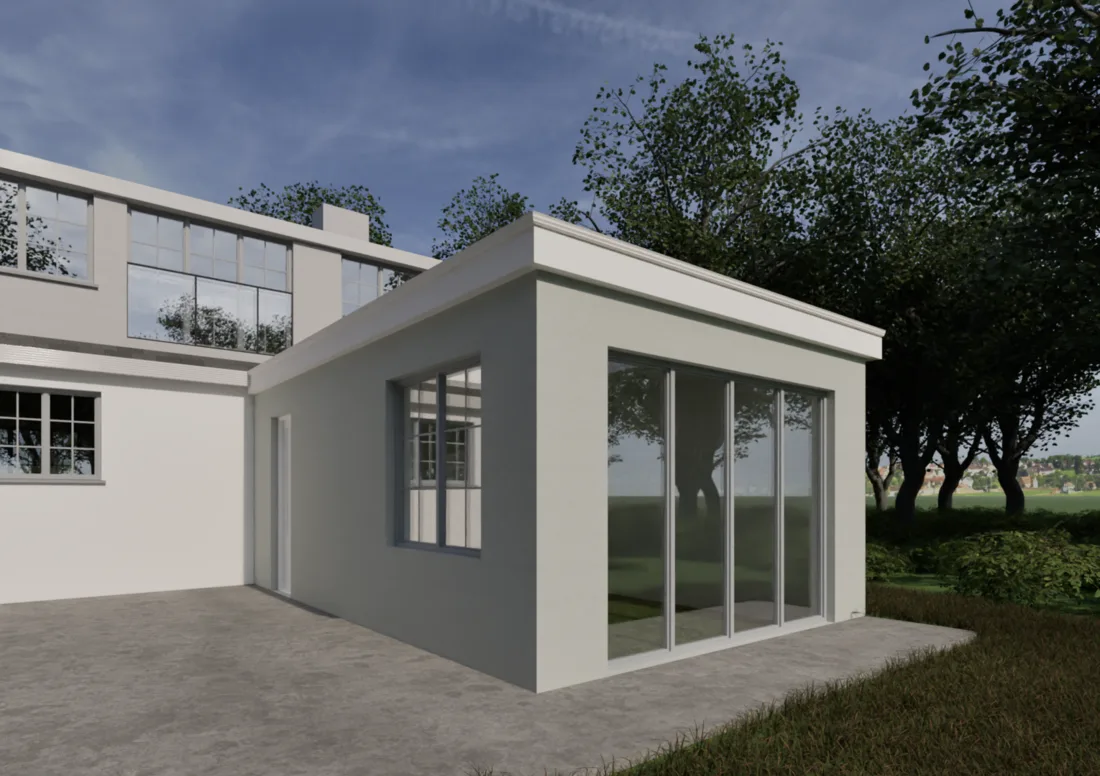
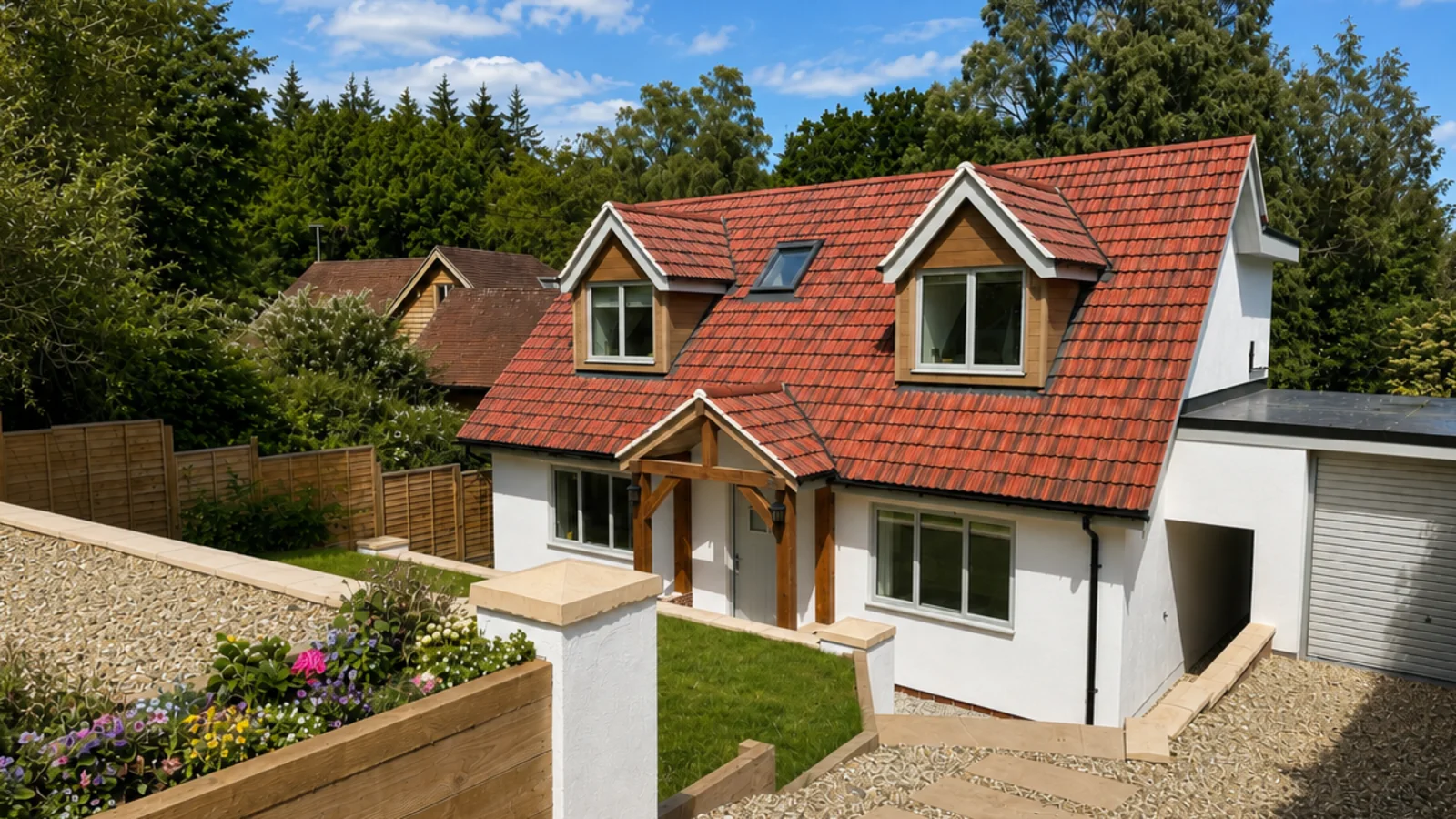
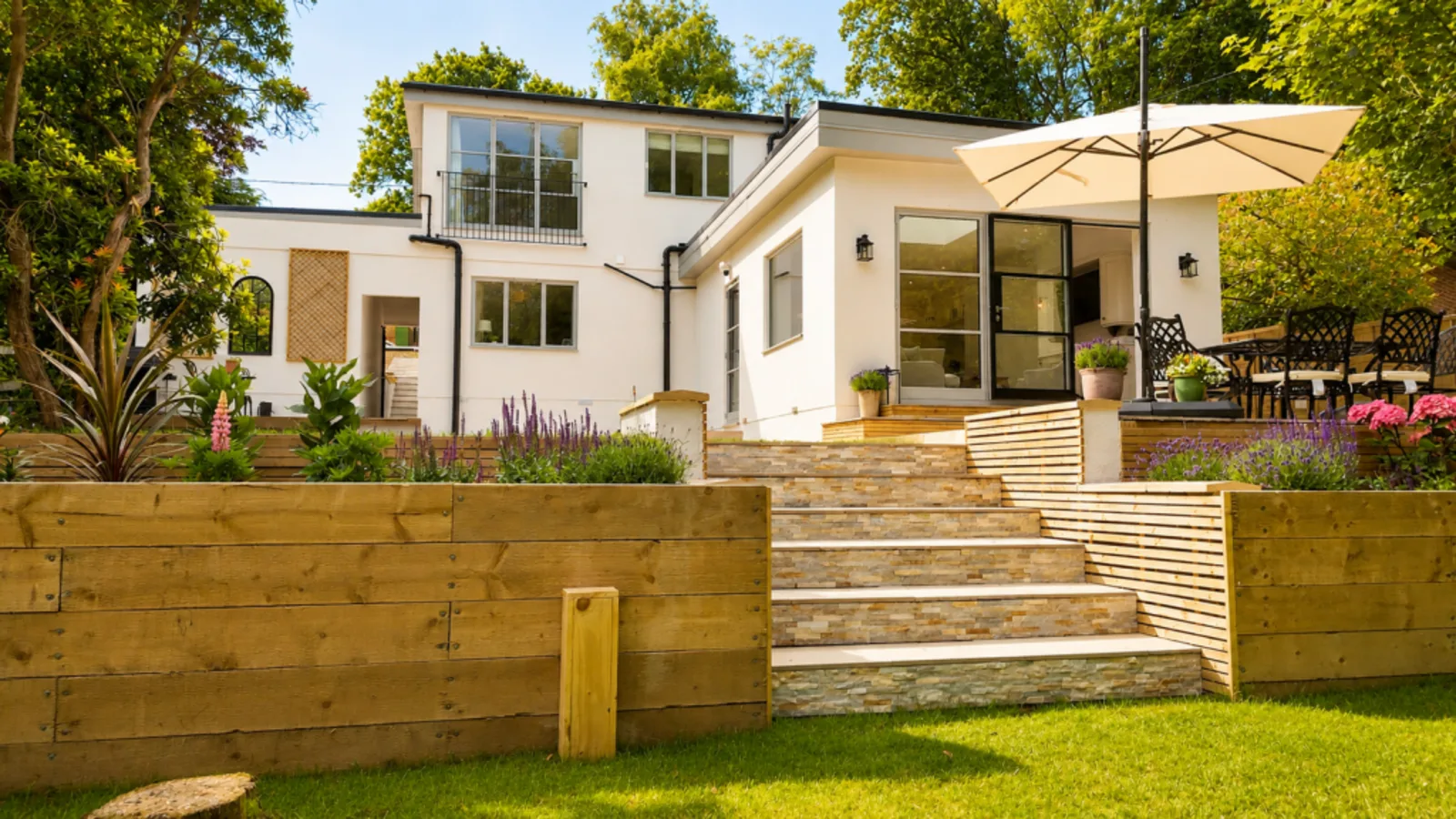
A dated rear conservatory replaced with a full-width two-storey extension and large glazing, plus a new porch and reworked internal layout.
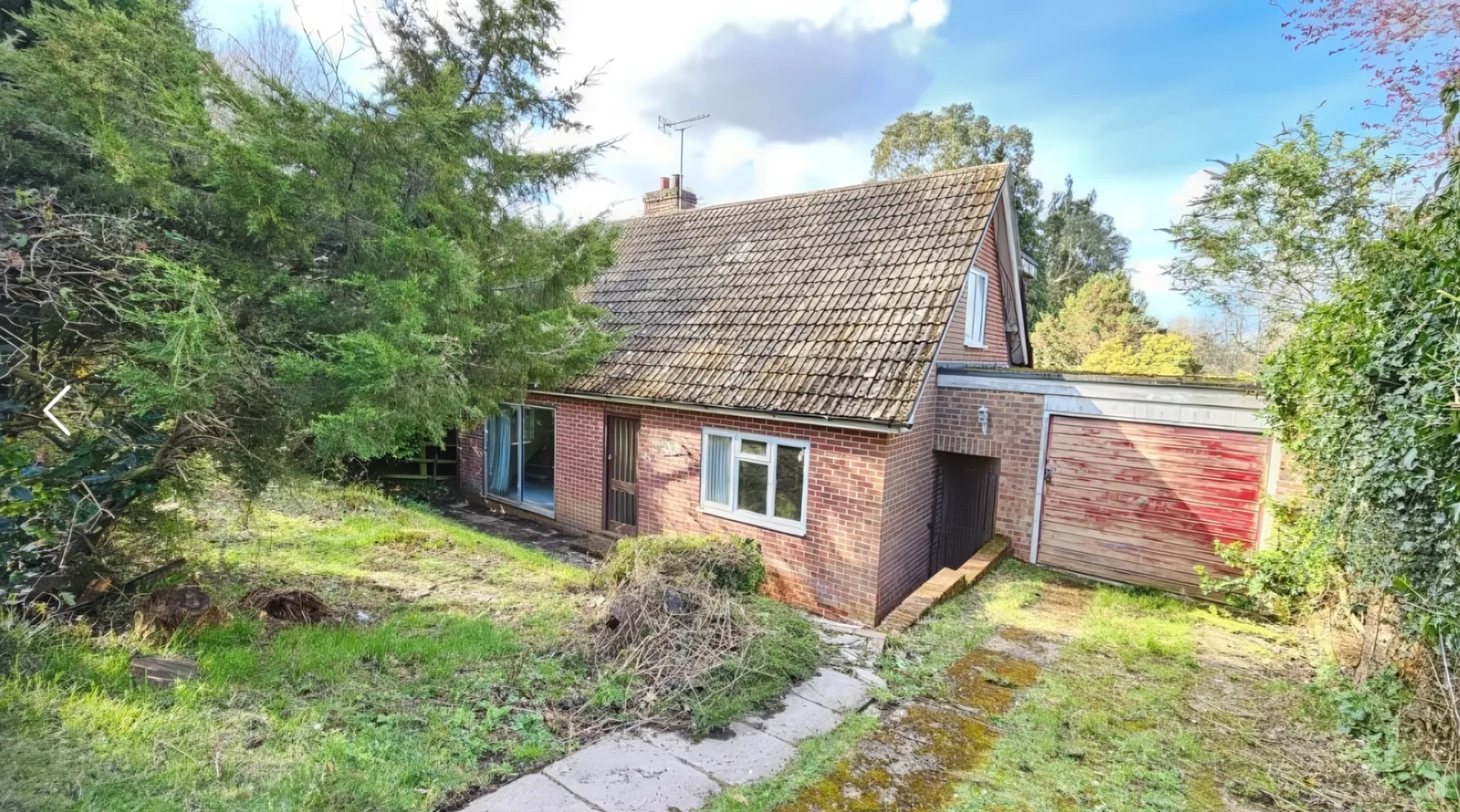
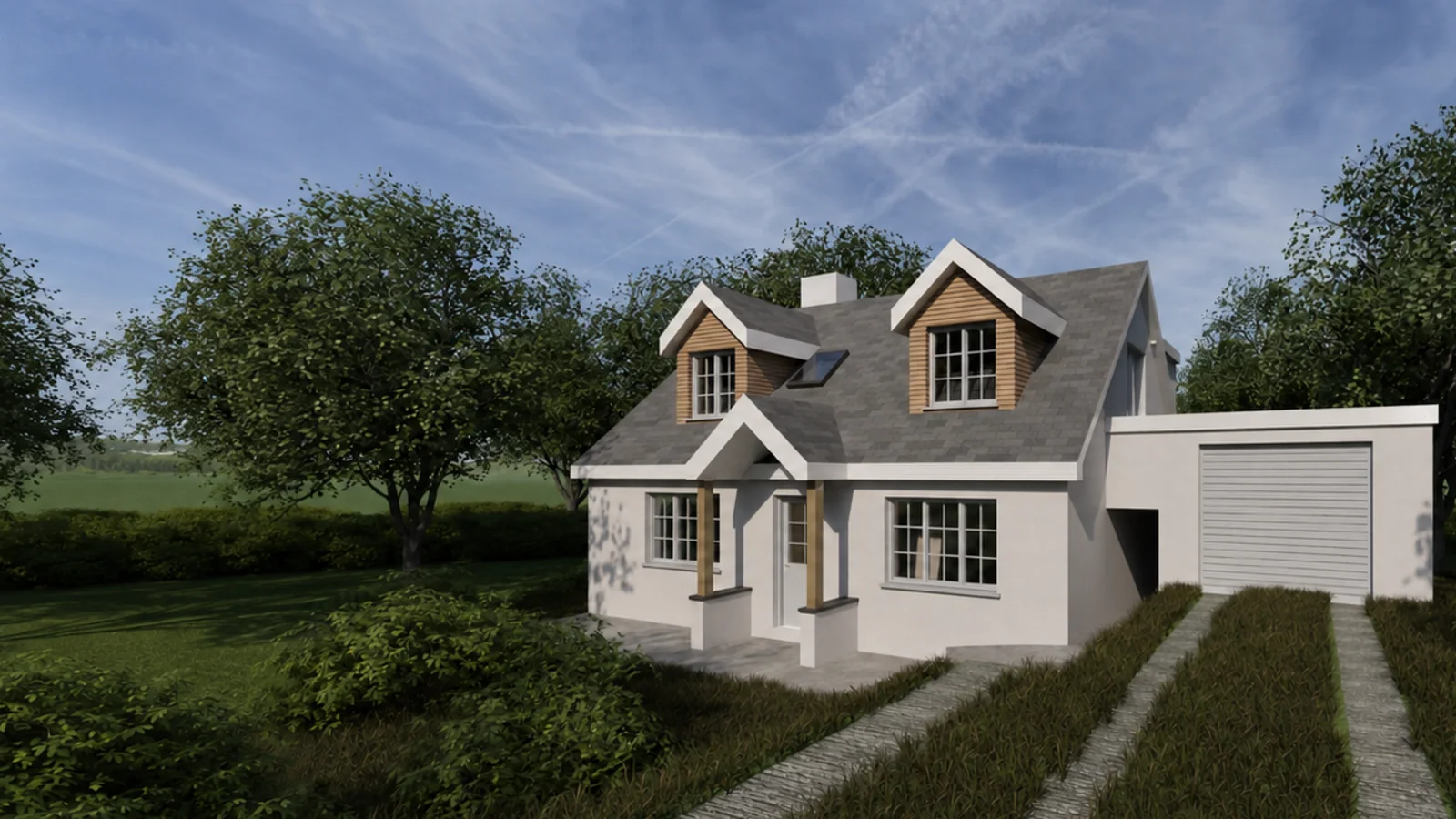
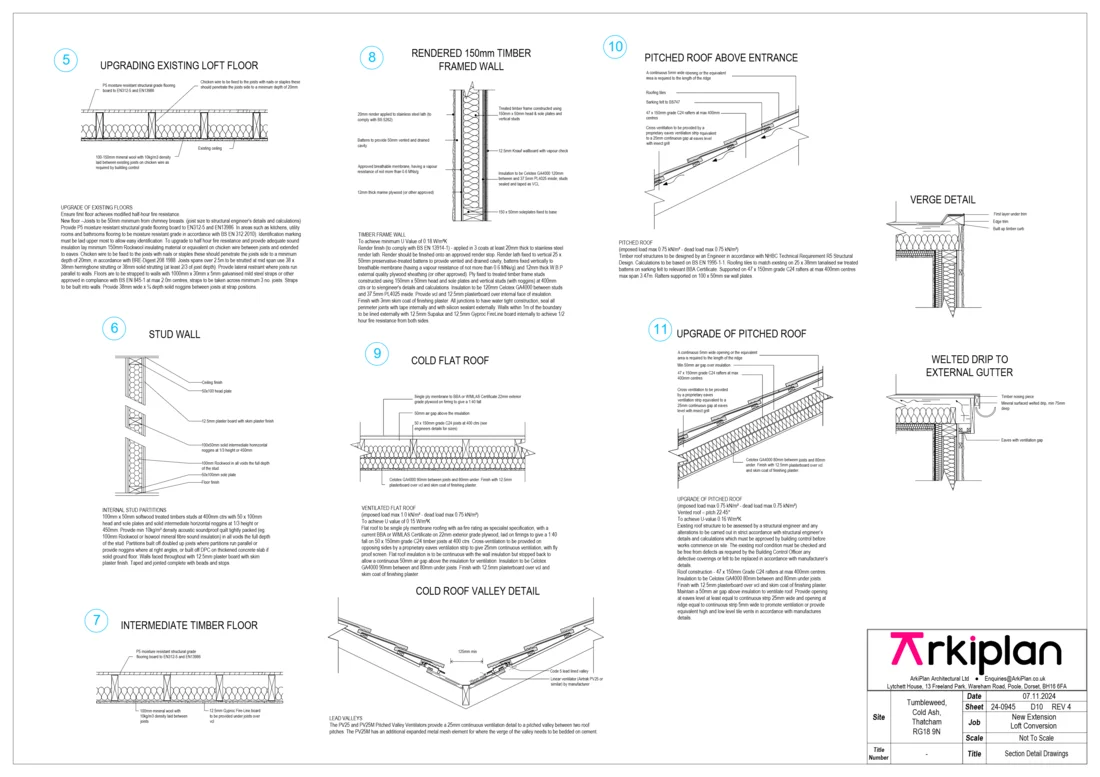
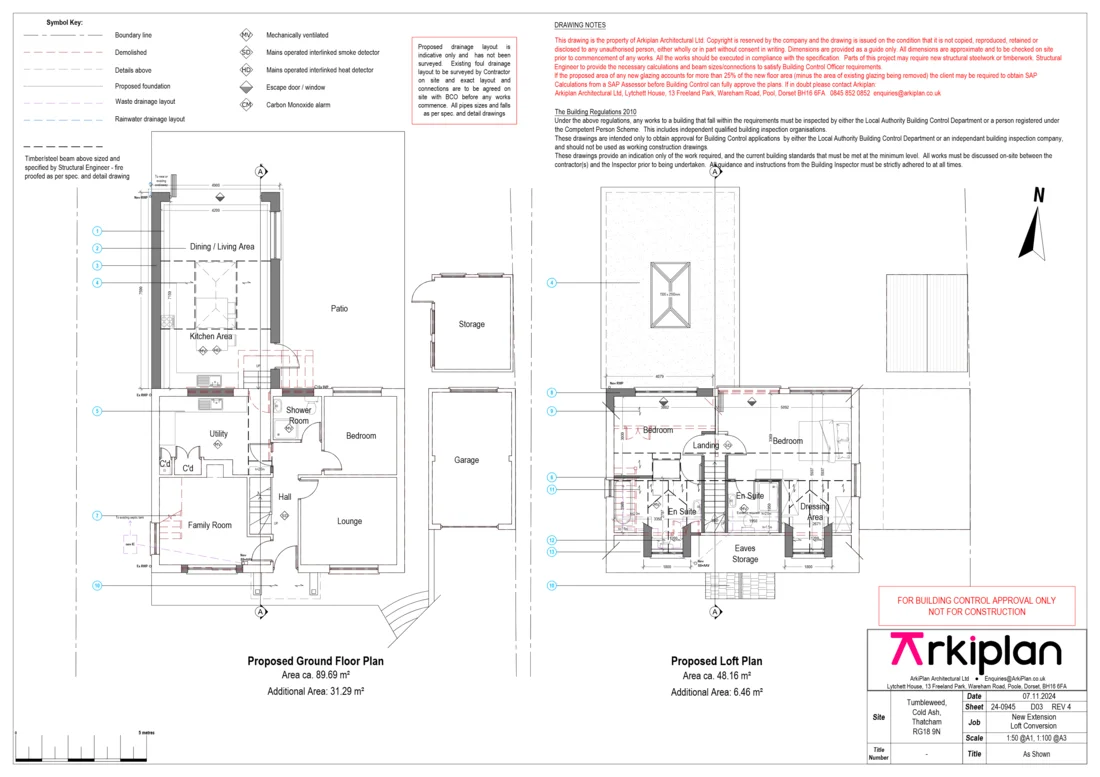
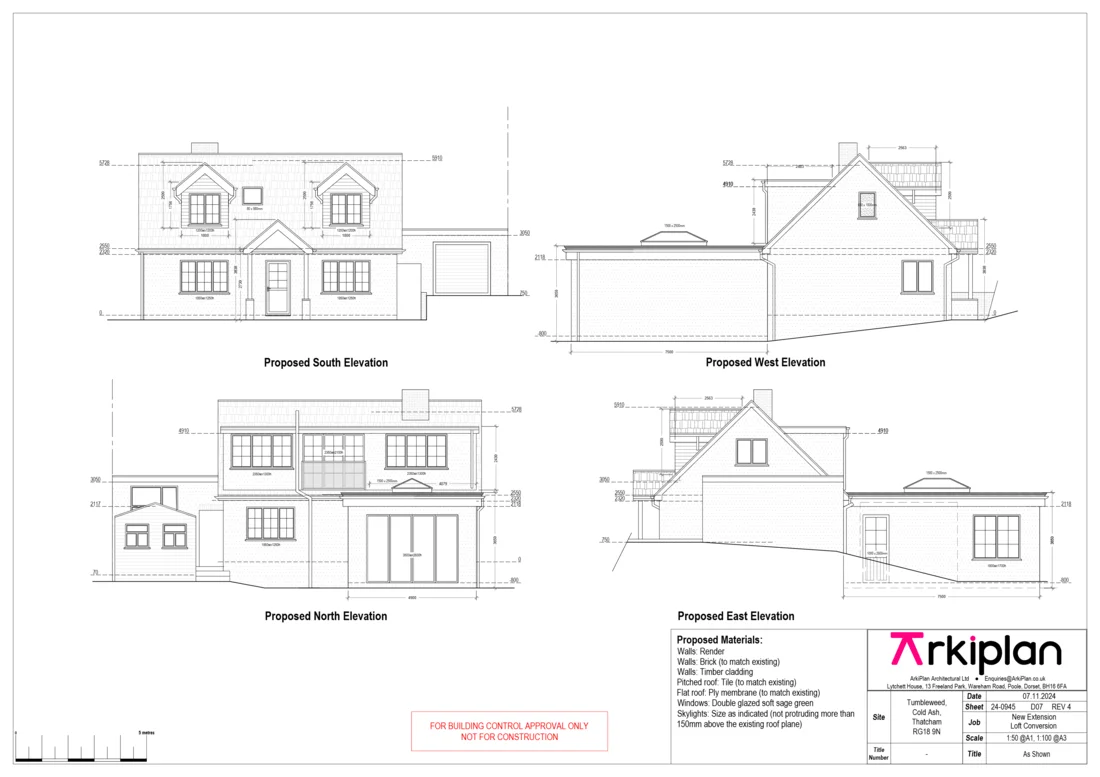
Get planning approval and a full builder’s pack for your extension, loft or renovation — drawings, building regs, structural design and council submission handled by one team, for one fixed price. Nothing else to buy in.
All free, all online, all in about a minute — no obligation and no card needed.
Speak to us



Sound familiar?
Quoted as a percentage of a build cost nobody’s pinned down yet — so the number keeps moving, and no one will give you a straight answer up front.
“We can fit you in next month” — then daytime office visits you have to take time off work for, before a single line is drawn.
Pouring money into a design before anyone’s told you whether the council will let you build it in the first place.
We fixed all three. You get a fixed price agreed before you commit, your first design call within days — on video, evenings included — and an honest read on what you’re actually allowed to build, up front.
Why Arkiplan
No hourly billing, no surprise extras at month three. You'll know your fixed price before you commit, and settle the drawings fee by card or bank transfer once you accept.
First design call in 3–5 working days after your scan — not "we're booked until June." We scan, we chat, we draft.
We tell you what it'll really cost to build — while we design. No nasty surprises from the builder later.
Drawings, council correspondence, contracts, your builder's quote. All in one place, always up to date.
All of our design packages include three rounds of unlimited design changes.
You don't have to phone Wandsworth Planning on a Wednesday afternoon. We handle every reply until decision.
Our customers spend £2,284 less on drawings than they'd pay a traditional architect — and get approval weeks sooner.


Still deciding what to build?
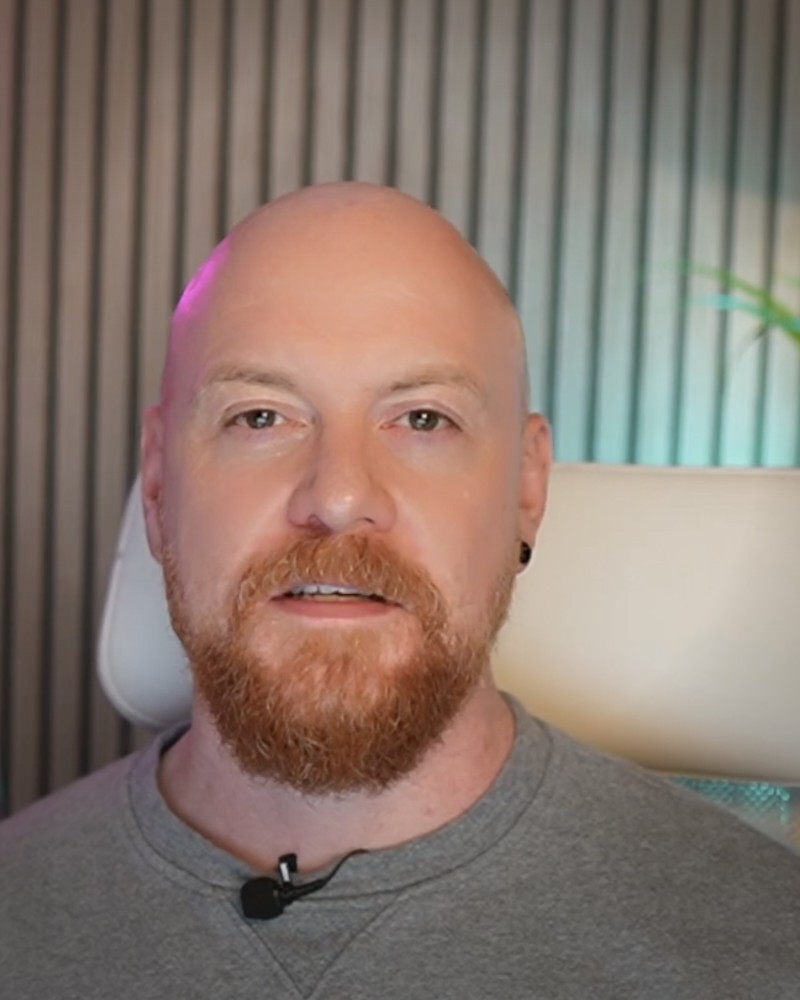
Over the last 20 years he's personally designed 1,500+ homes — so in one session he'll tell you straight whether what you want is realistic, what it's likely to cost to build, and how to get there for less.
"Most people come to us half-convinced they can't have the home they want without spending crazy money. Nine times out of ten they can — they just need someone to show them what's possible, what it really costs, and where the savings are. That's what this first meeting is for."
— Dave Chamberlain, founder
No stock photos here. Every project runs on live design calls where we sketch, mark up and draw your plans together — this is the real thing.
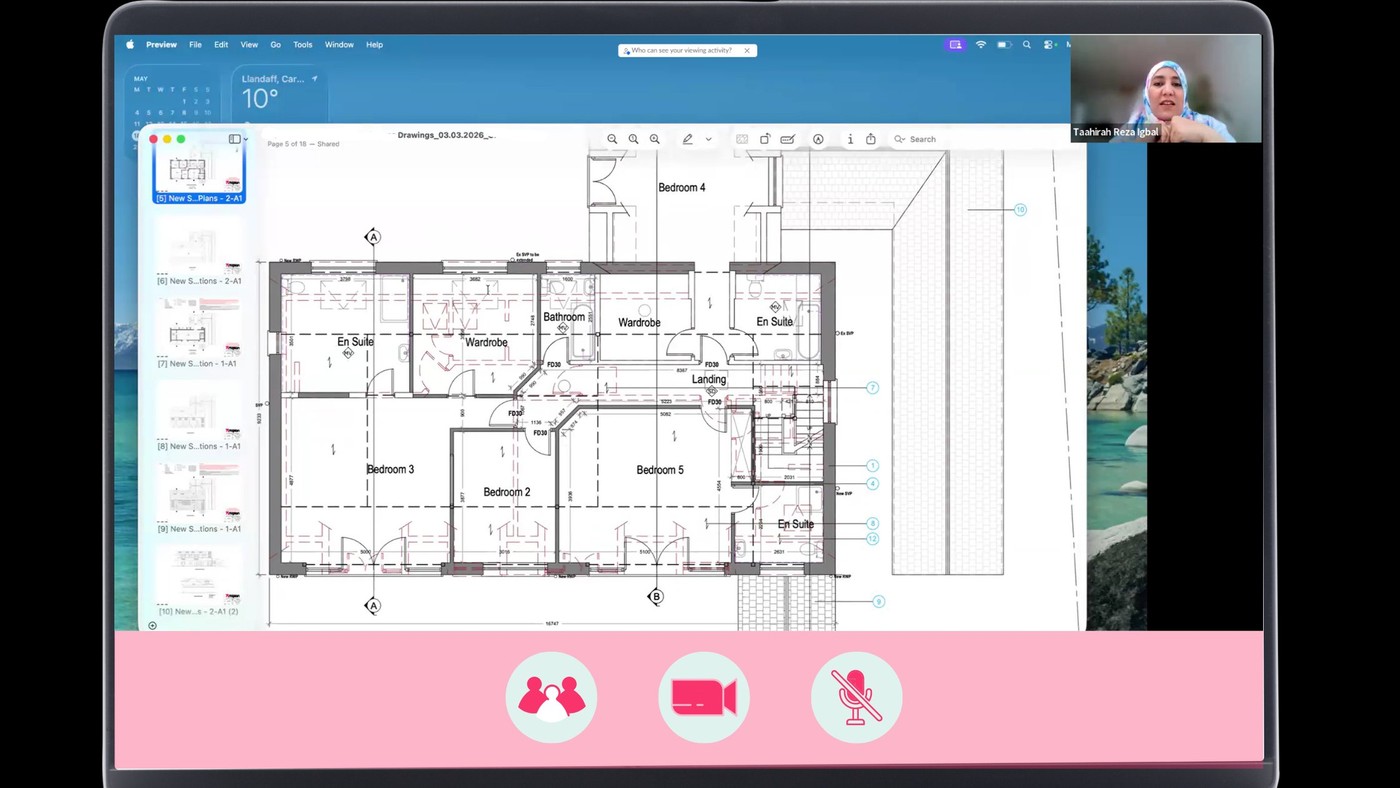
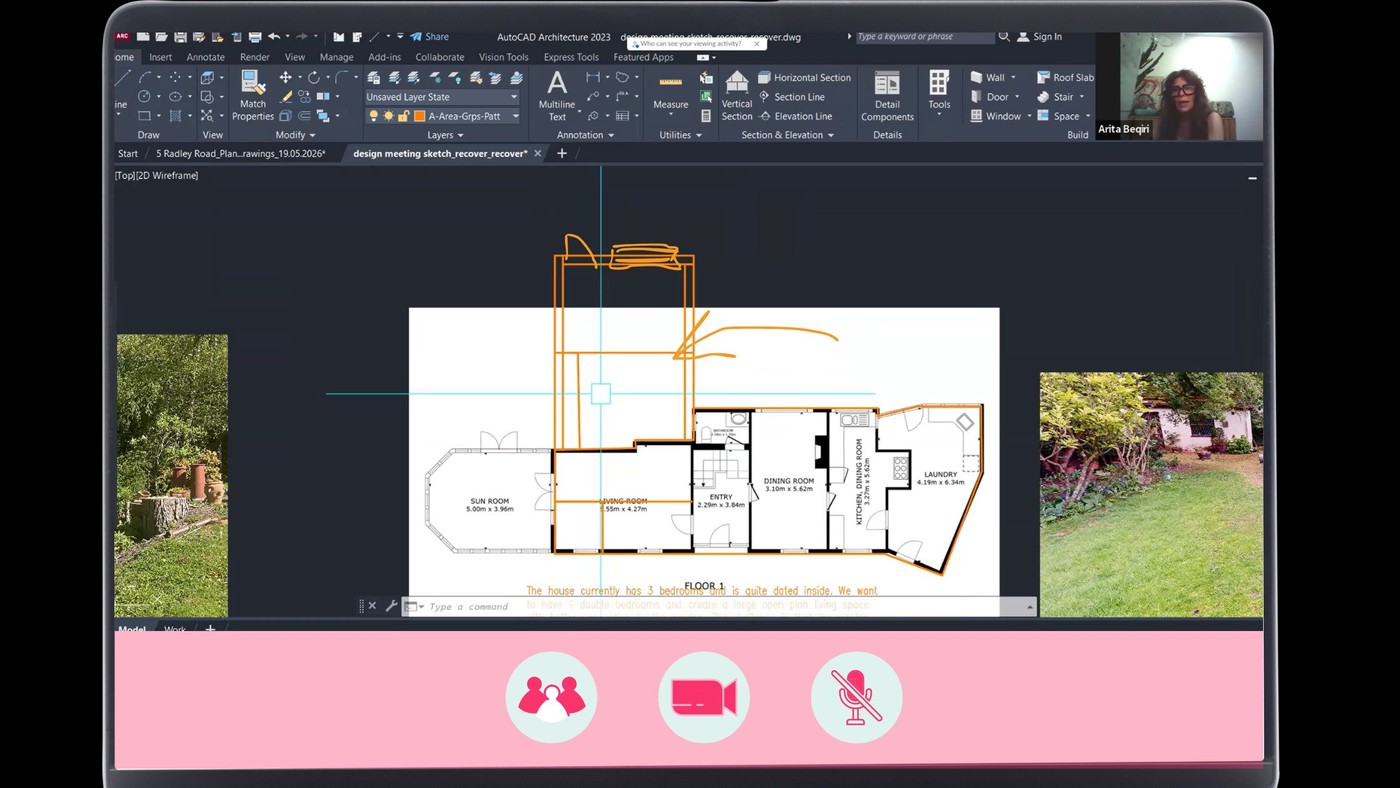
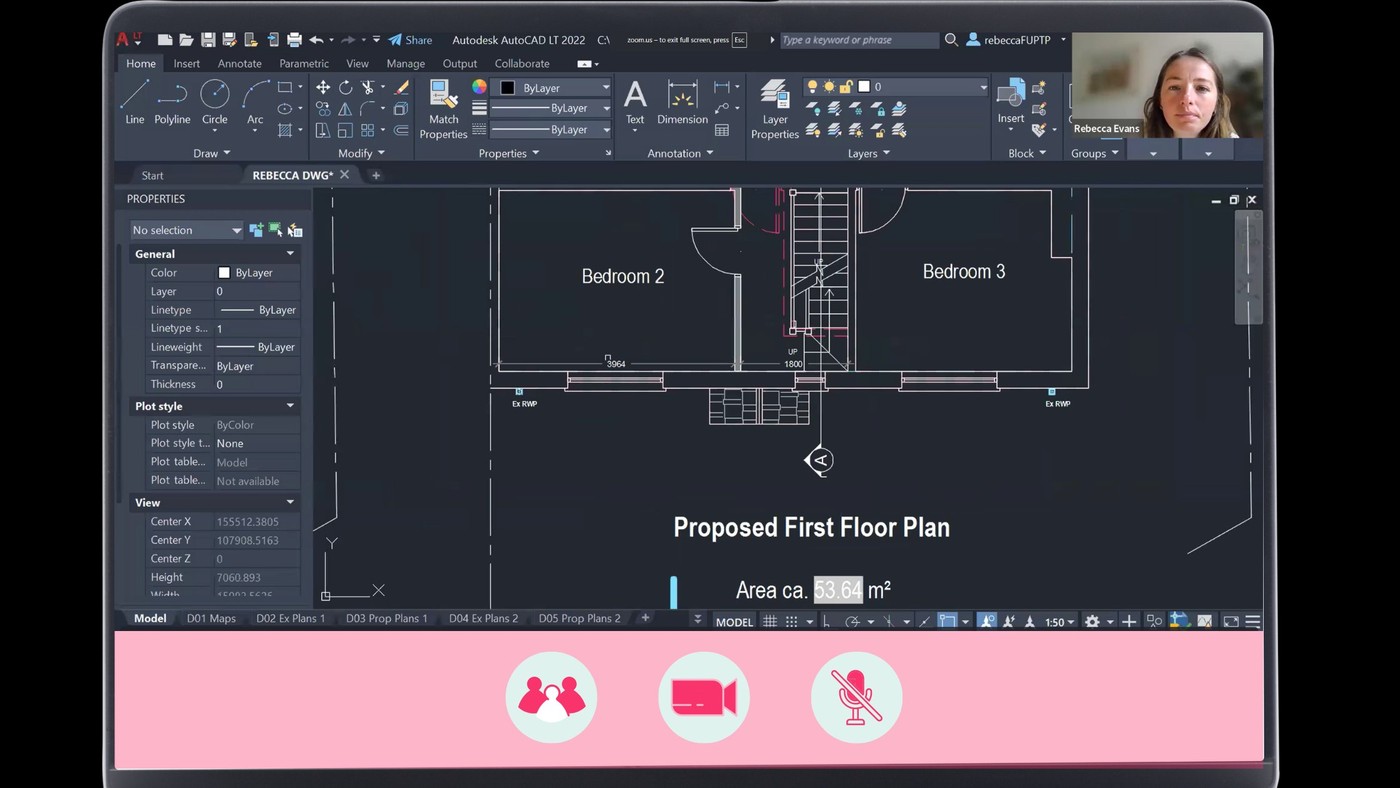
We designed this around one thing: you have a job, a family, and zero evenings to spare. Everything after step one happens on video, on your schedule.
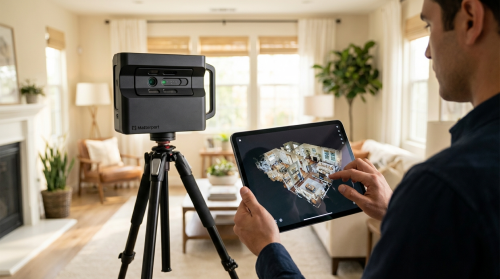
One hour, one Matterport Pro2 scanner. We capture every wall, window and skirting to within 1% accuracy so we can design on-screen.
First available slot in 3–7 days
Sketch the proposal with a qualified designer — 60 mins, live, share-screen. Budget estimate locked in before you hang up.
Evenings & weekends available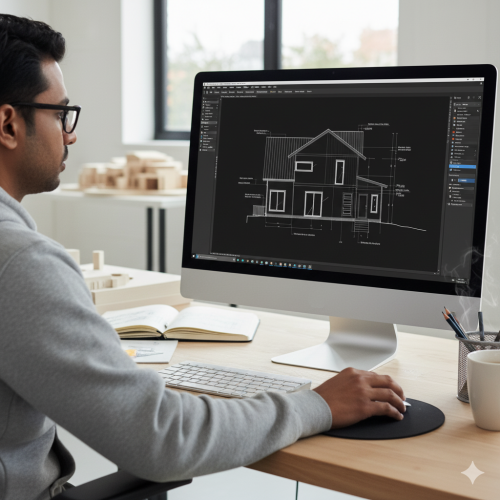
Planning, building regs and structural, ready in three to six weeks. Request as many tweaks as you like — it's in the fixed price.
Three free redraws included
We submit, we chase, we reply to queries. You'll get an approval notification in your pocket, not a letter six weeks late.
94% planning & LDC approvalFrom our homeowners
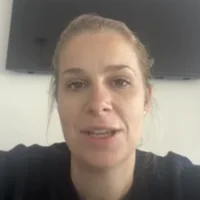
100+ unscripted video reviews — filmed by customers on their phones, the week they got their keys back. The whole wall is below.
Most traditional practices can't show you this. Every project runs through a live portal and 3D scan, so you can see your quotes, progress, survey and documents in one place.
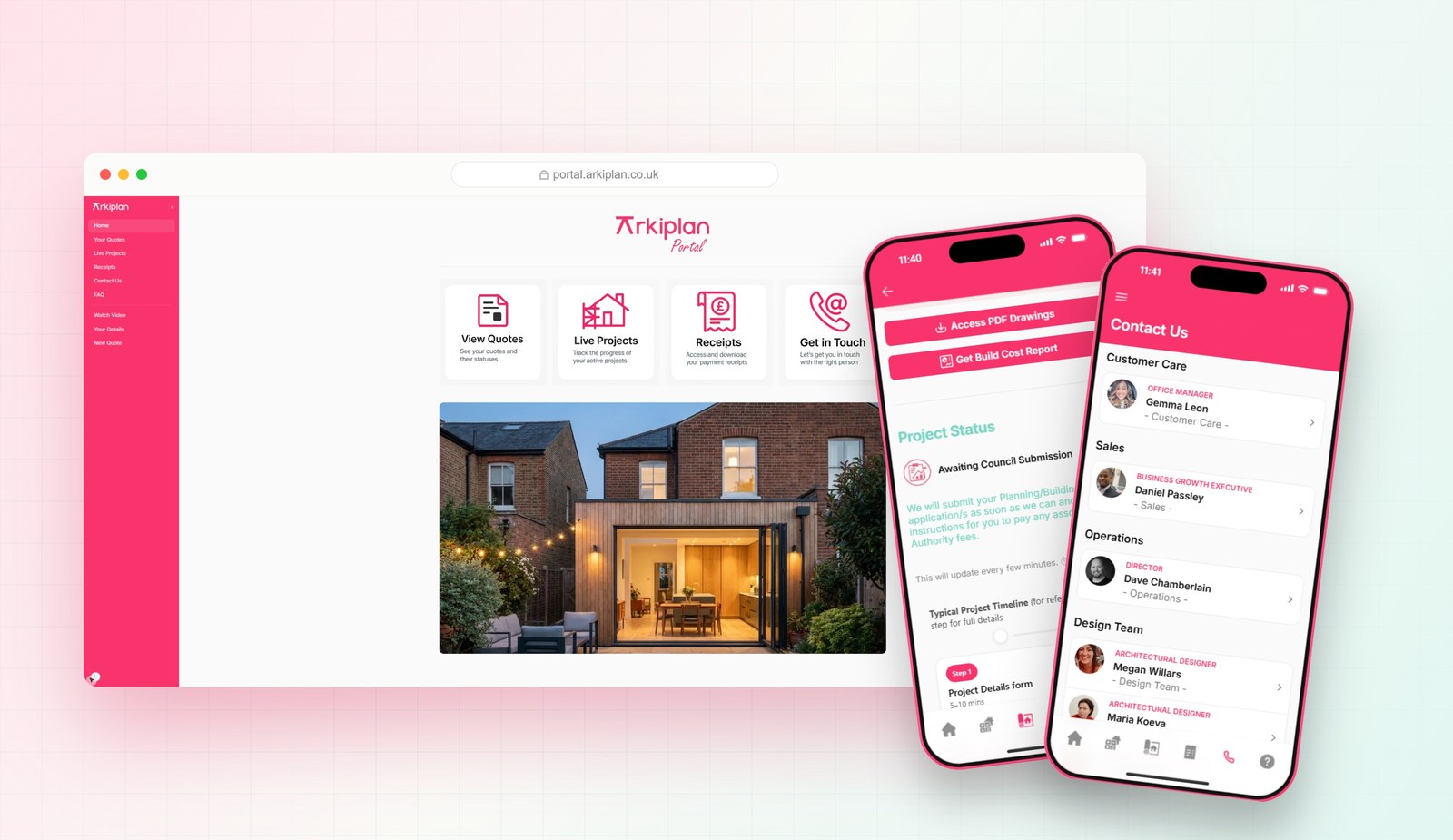
Log in from your computer or your phone to see quotes, live projects, receipts and documents in one place.
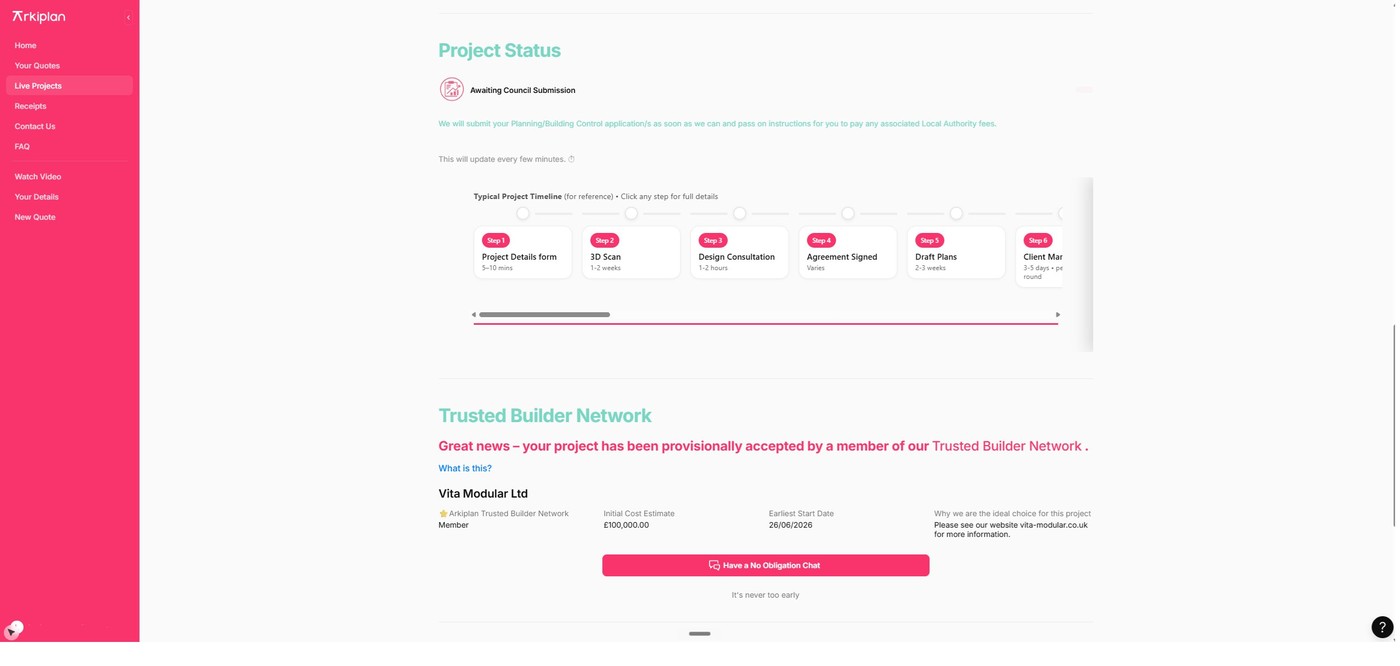
A clear timeline shows exactly which stage your project is at and what happens next.
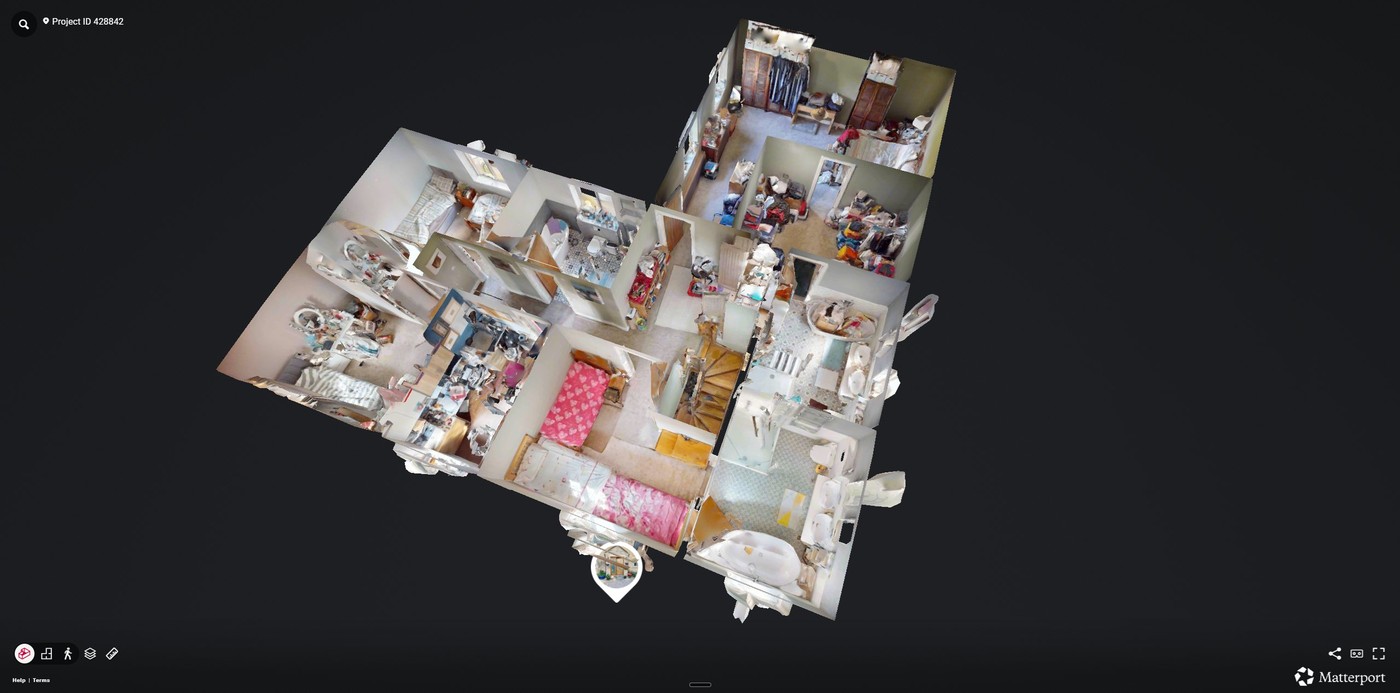
We capture your home in a full 3D scan, so measurements are right first time — no repeat visits.
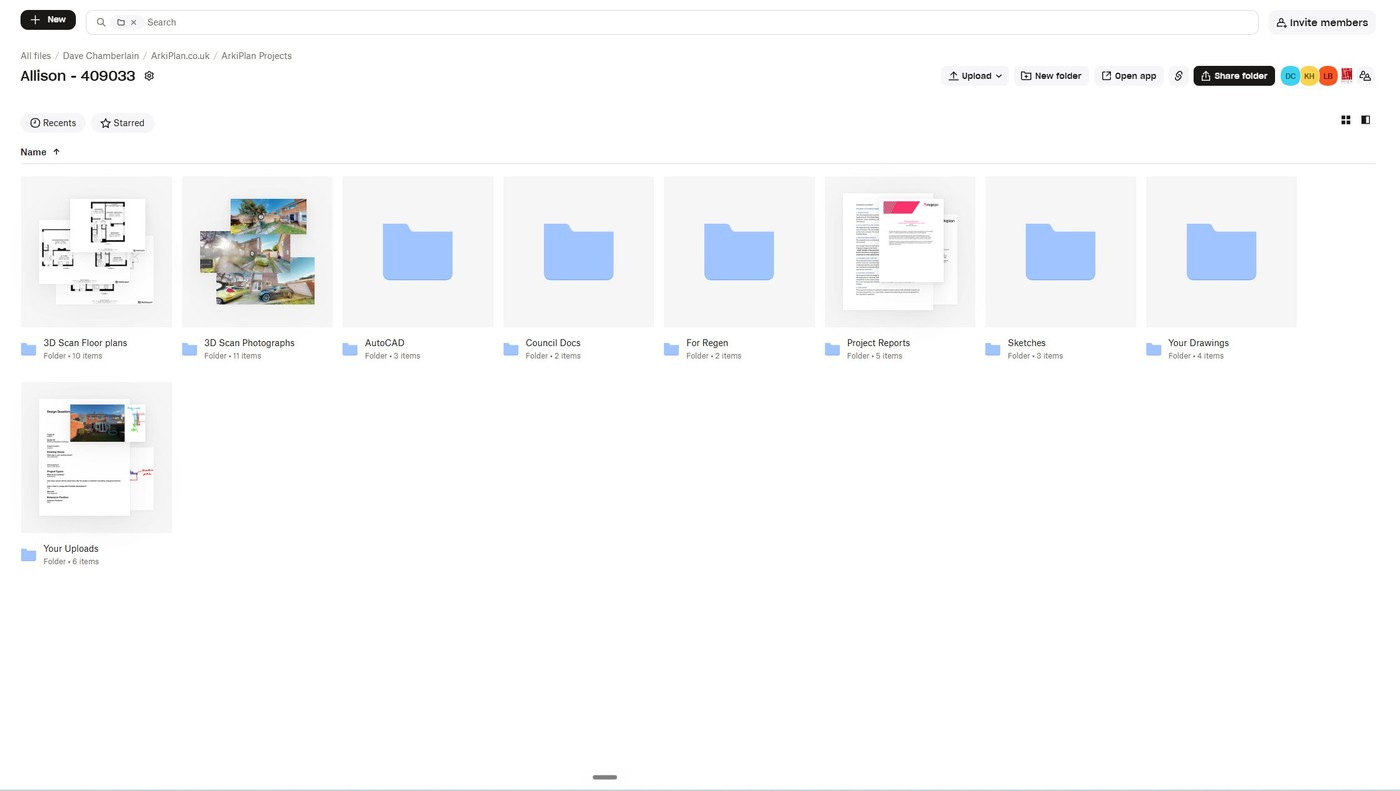
Every drawing, scan, report and approval, organised and downloadable whenever you need it.
Every planning application we've drawn and submitted, plotted on one interactive map. Browse real projects near you, open the actual drawings, and see the package each homeowner chose.
Explore the project map → Live map
A few recent homes we've designed and guided through planning — here's the before, and the after.
A dated rear conservatory replaced with a full-width two-storey extension and large glazing, plus a new porch and reworked internal layout.
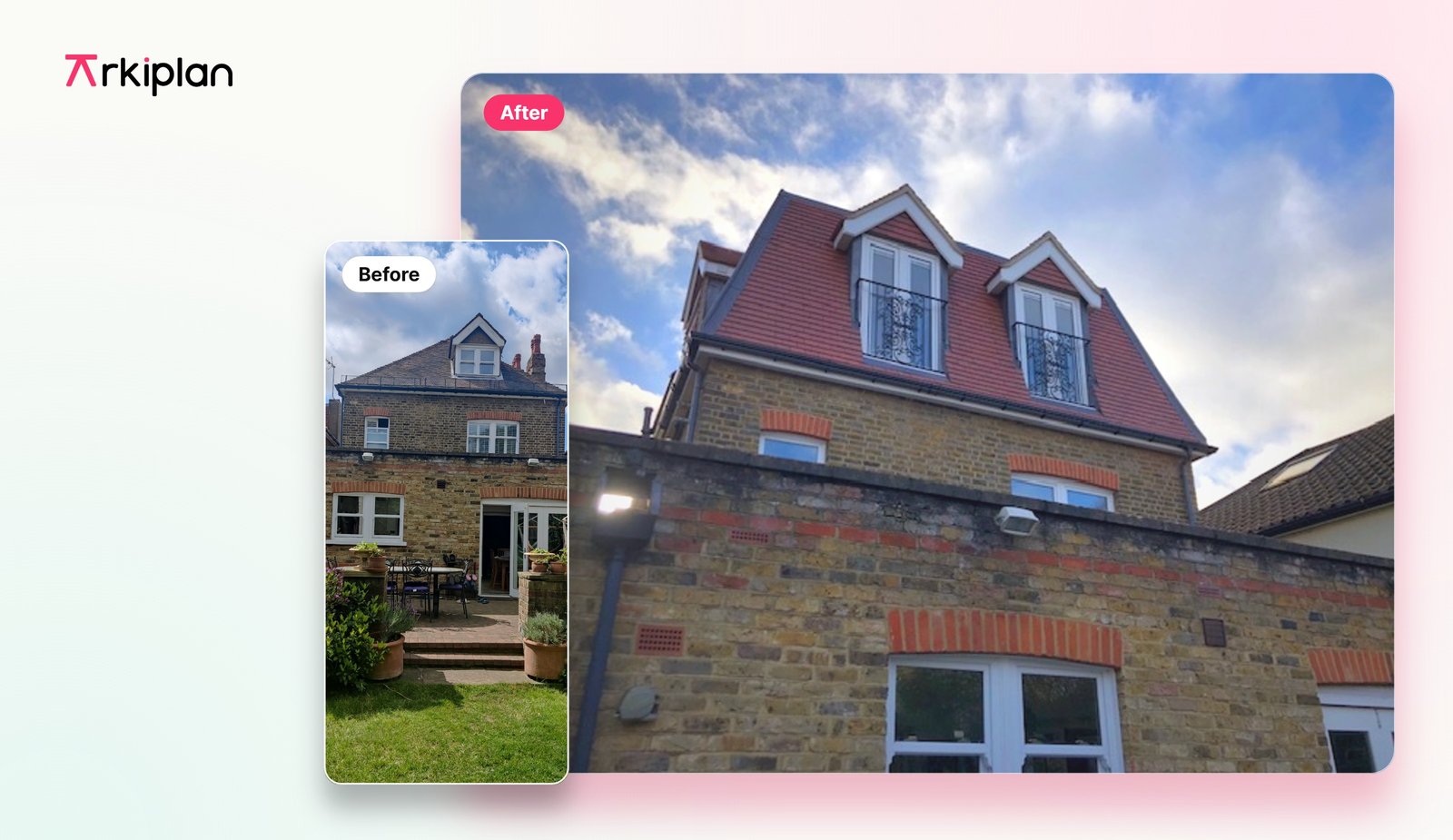
A full mansard loft conversion with twin dormers and Juliet balconies, adding a whole new floor of living space to a London stock-brick home.
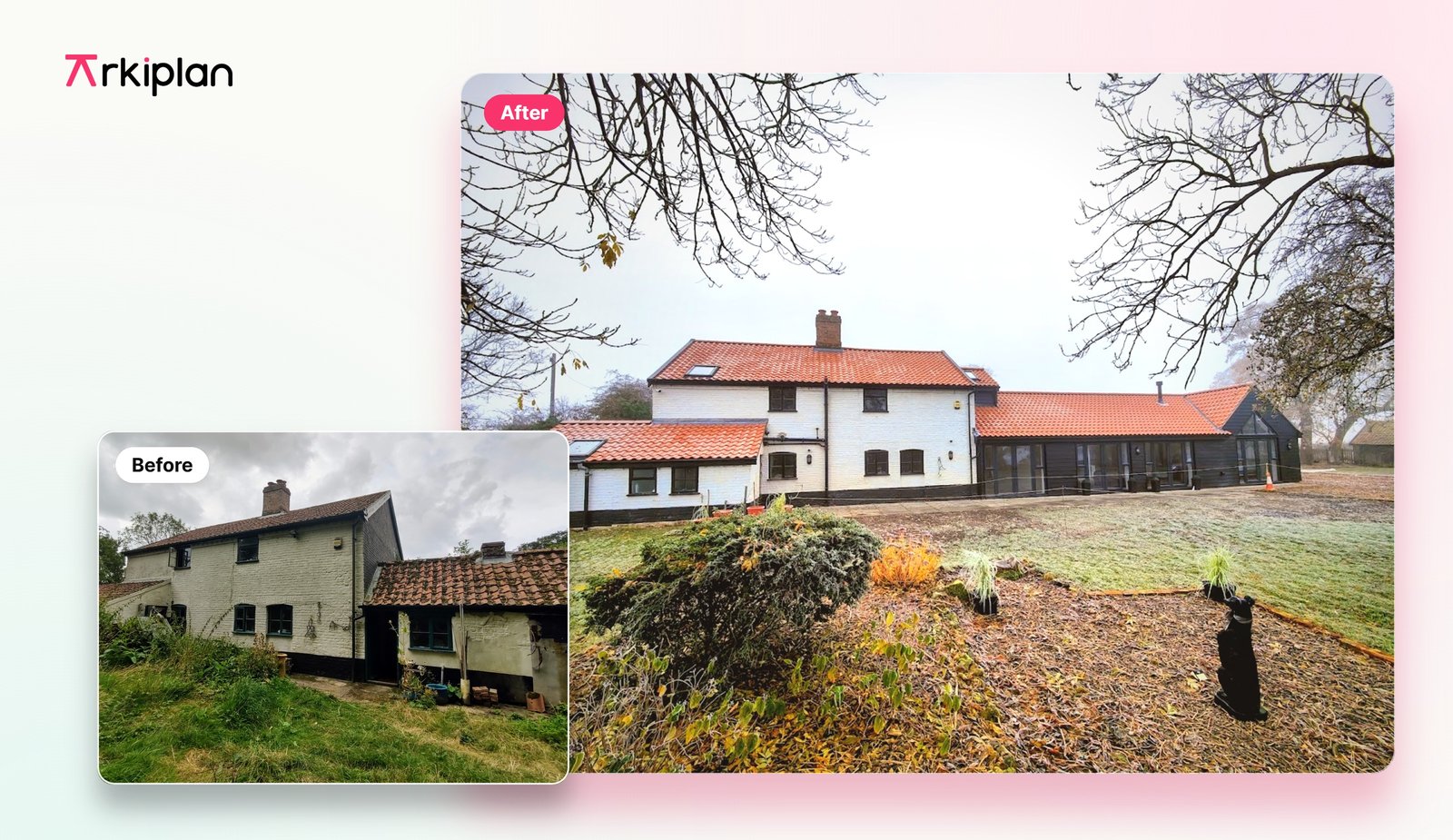
A run-down barn beside the farmhouse extended and converted, re-roofed and linked to the main house with a glazed garden room.
A traditional practice carries the cost of high-street premises, in-person meetings and the overheads that come with them. We’ve rebuilt the whole process to run online and remotely, so that saving lands with you. On average, homeowners spend £2,284 less with us than with a traditional architect.
No high-street premises to fund. Your designer works remotely, so you're paying for drawings — not rent on a building you'll never visit.
Our 3D Home Scan™ captures your property accurately the first time, so we avoid the repeat site visits that add cost and delay.
Seventeen years of templates, checklists and processes mean less time billed re-inventing every project from scratch.
Our team works remotely across England and Wales — there’s no office or regional premises for you to help fund.
Planning, building regs and structural work are handled in one place, in one sequence — fewer hand-offs, less waiting, less wasted time.
Same drawings, same planning and building-regs expertise — a very different way of working.
This isn’t a knock on architects — for highly bespoke or complex buildings, a traditional practice is exactly who you want. For most extensions, lofts and standard home projects, our online model simply gets you there faster, for a fixed price you can see up front.
Never done this before?
Our founder walks through every decision you're about to make — permitted development vs. full planning, how building regs actually work, whether you need a structural engineer, how to avoid getting ripped off. Made for homeowners, not for the trade.
Five minutes of reading saves a twenty-minute phone call. But we're happy to take the call too.
Answer a few quick questions and we'll guide you to your best next step — an intro call, a design deep dive, or a fixed price for your project. No obligation, no pushy sales.
All free, all online, all in about a minute — no obligation and no card needed.
Book an intro call