Drawings for your extension, loft or renovation. One team, one fixed price.
We're an online architectural design practice. We survey your home, design it with you on video, draw everything your council and builder need, and handle the applications for you.
Wondering what's possible? Find out what you could add to your home and whether it's worth doing.
Viewing or offering on a property? Check what you'd be allowed to build before you commit to the house.
Know what you want? Get a realistic build budget and a fixed price for your drawings.




Arkiplan in 90 seconds.
-
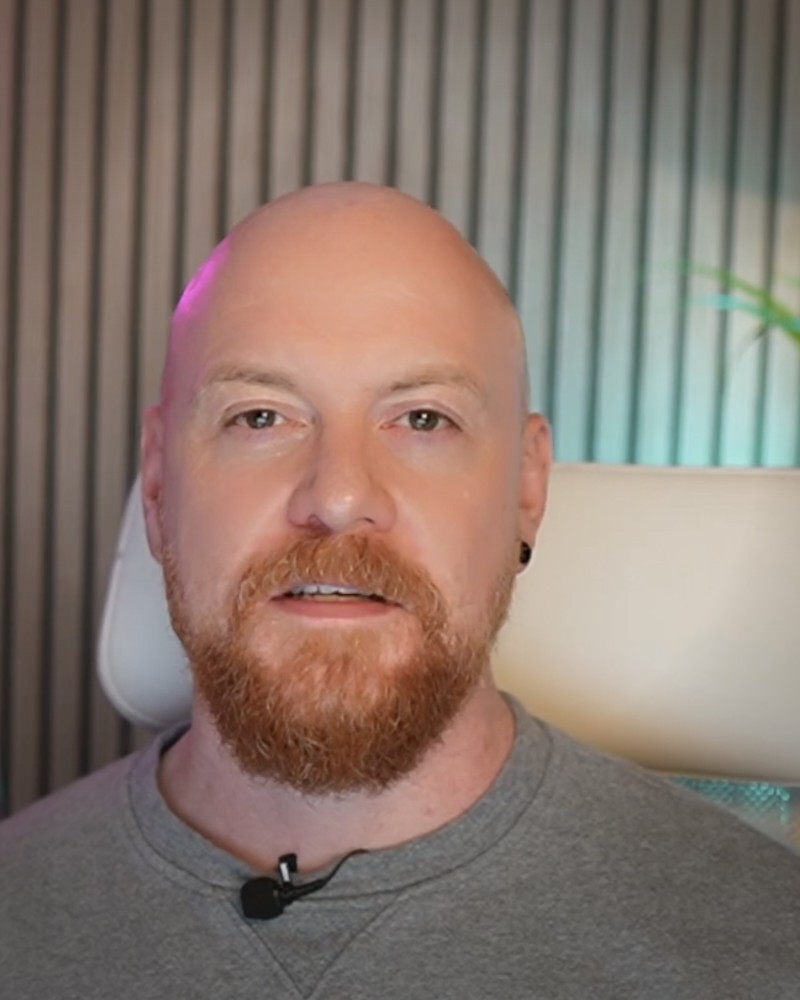
- An architectural design practice, founded in Cardiff in 2008 by Dave Chamberlain.
- Serving homeowners right across England and Wales, from one in-house team.
- 2,000+ homes granted permission for extensions, lofts and renovations.
- Qualified UK designers. Every design lead has at least 10 years’ experience.










-
- Fees that grow with your build. Many architects charge a percentage of build cost, so you don’t know the real price until late on.
- Slow to get going. Weeks of scheduling before anyone starts, then meetings in office hours.
- Repeat site visits. Measuring up by hand, and coming back when something’s missed.
- Everything bought in separately. The structural engineer and the build costing are extra fees, extra people, extra delays.
- No idea what it’ll cost to build until the builders’ quotes arrive, by which point you’ve already paid for drawings.
-
- One fixed price, agreed up front, before you commit to anything.
- Start online this week, with video calls on evenings and weekends.
- One 3D scan visit, about an hour, so we never need to come back.
- Structural calculations included, not bought in later.
- An itemised build cost estimate with every set of drawings, so you know what it will cost to build.
What we do
Everything between your idea and your builder, in four steps.
One visit to your home, then everything happens online, on your schedule. You'll know your fixed price before you commit, and nothing else needs buying in.
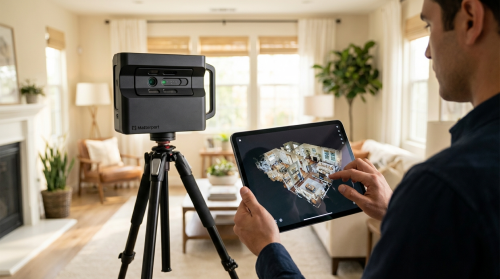
We scan your home
One visit, about an hour. A 3D scan captures every wall, window and skirting accurately, so we never need to come back.

We design it with you
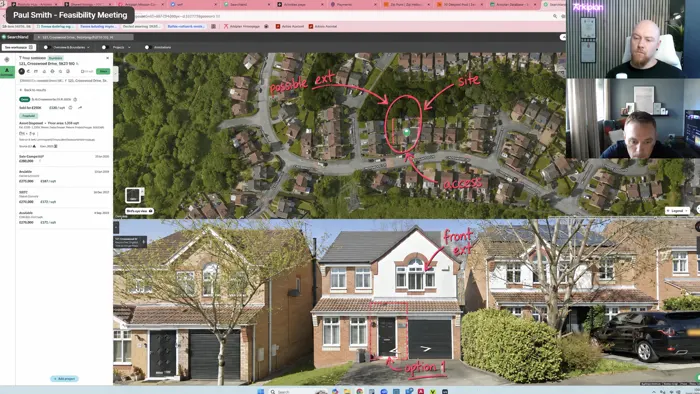
Sketch your layout live on video with a qualified designer, evenings and weekends included. We talk build budget as we go.
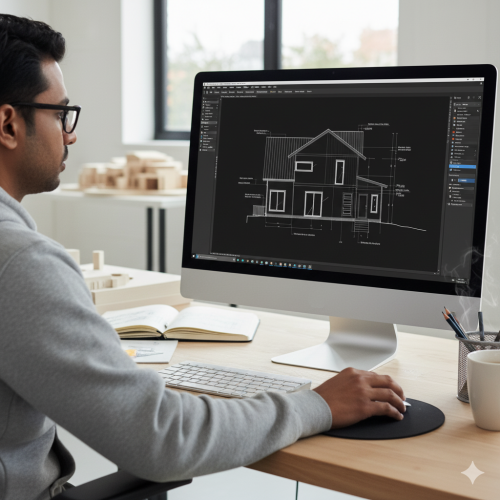
We draw everything
Planning drawings, building regulations detail and structural calculations, ready in three to six weeks.
We handle the council
We submit, chase and reply to every query until a decision. 94% of our planning and LDC applications are approved.
Included with every project
Specialists in home renovations, with thousands of projects behind us.Why not a local architect?
The same drawings and expertise, run a different way.
A traditional practice carries the cost of high-street premises and in-person meetings. We've rebuilt the process to run online, with a 3D scan instead of repeat site visits, so the saving lands with you.
For highly bespoke or complex buildings, a traditional practice is exactly who you want. For most extensions, lofts and home projects, our online model gets you there faster, for a fixed price you can see up front.
Why we exist
“Most people come to us half-convinced they can't have the home they want without spending crazy money. Nine times out of ten they can. They just need someone to show them what's possible, what it really costs, and where the savings are.”
Founder · 1,500+ homes designed over 20 years



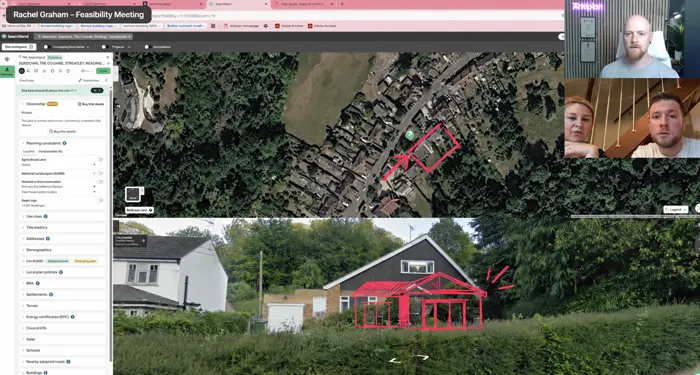
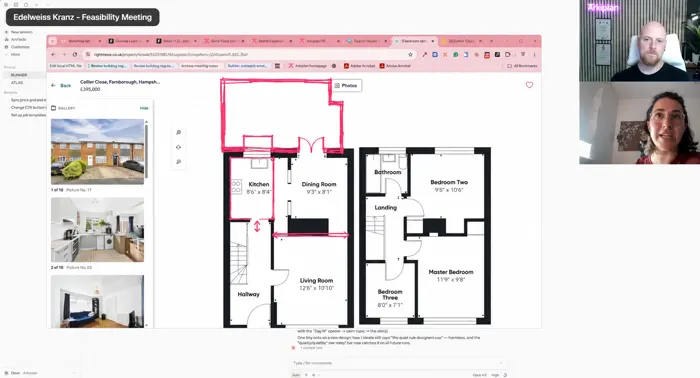
Still deciding what to build?
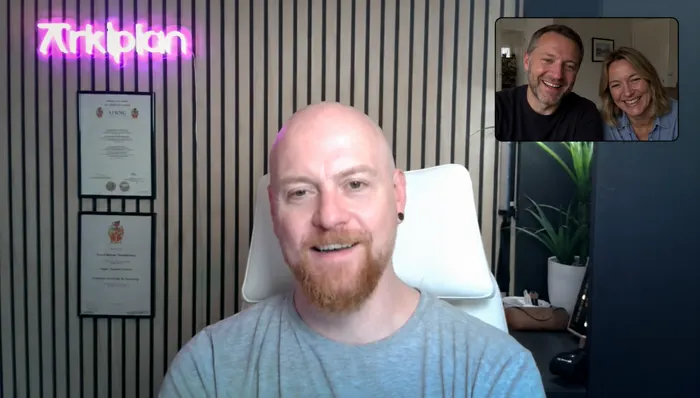
Start with a renovation deep dive with Dave.
One session, before you pay for any drawings. He'll tell you straight whether what you want is realistic and how to get there for less.



 +95
+95
Your questions, answered
Questions people ask before they start.
Seven short videos, each under a minute. Happy to answer anything else on a call: average reply under 30 minutes, Mon–Fri 8am–8pm.
Prefer to read?
See all questions →Once — for about an hour, for the 3D Home Scan. After that, everything happens online: sketch sessions on video, drawings and sign-off in your portal.
Typical timeline: scan in week 1, drawings complete by week 4, council decision within 8 weeks of submission (statutory). Most of our customers break ground around 14–18 weeks from kick-off, depending on their builder's schedule.
Rare (94% of our planning and lawful-development applications get approved), but if it happens our Planning Permission Guarantee gives you two options: we keep working with you for free until approval, OR we refund 50% of your Arkiplan fees. You choose. (Available on Premium packages and on any package paid up-front; excludes Prior Notification Applications.)
Every design lead is a qualified UK architectural designer with a minimum of 10 years' experience. We're a Welsh company; all our designers are based in the UK and work in UK time zones.
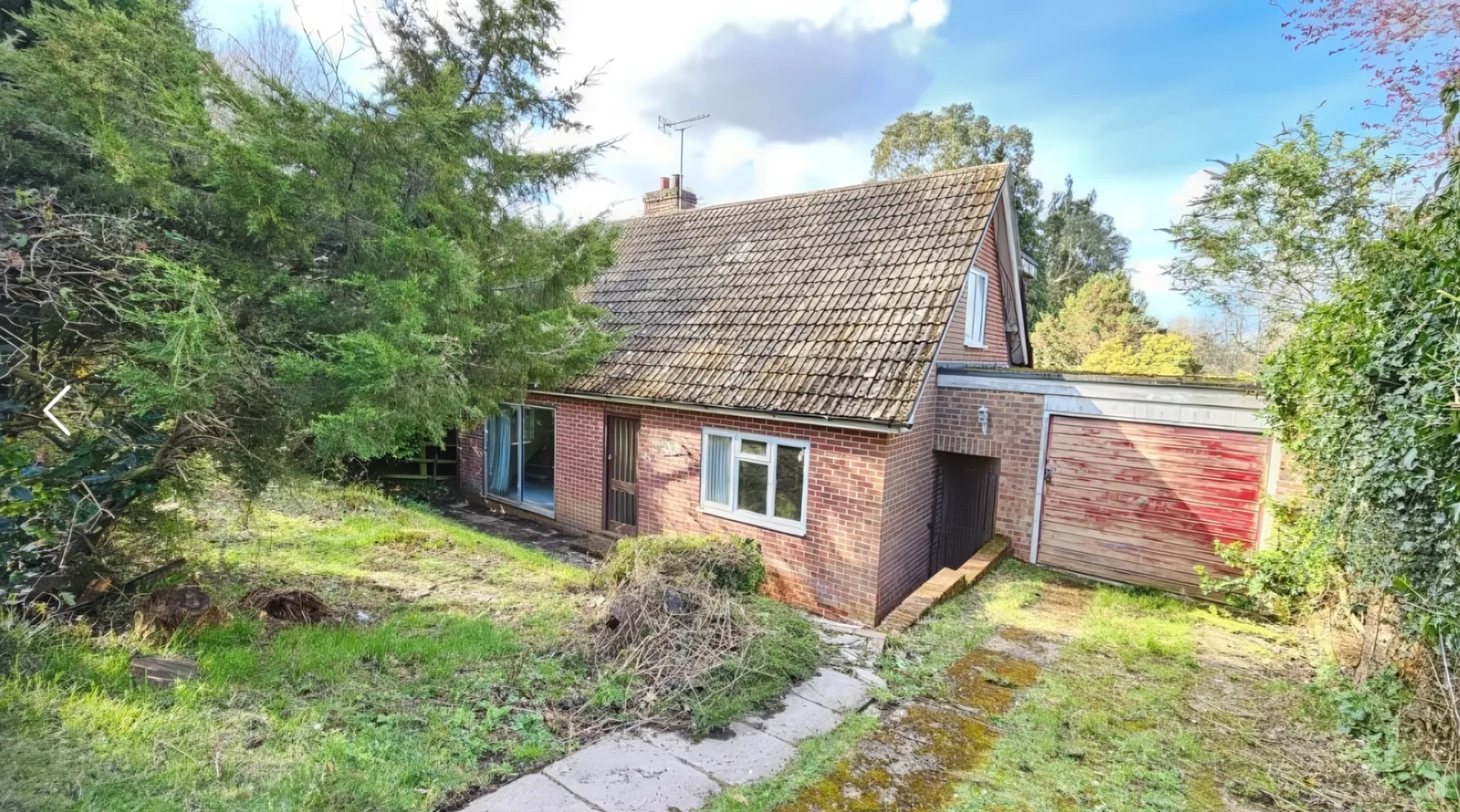
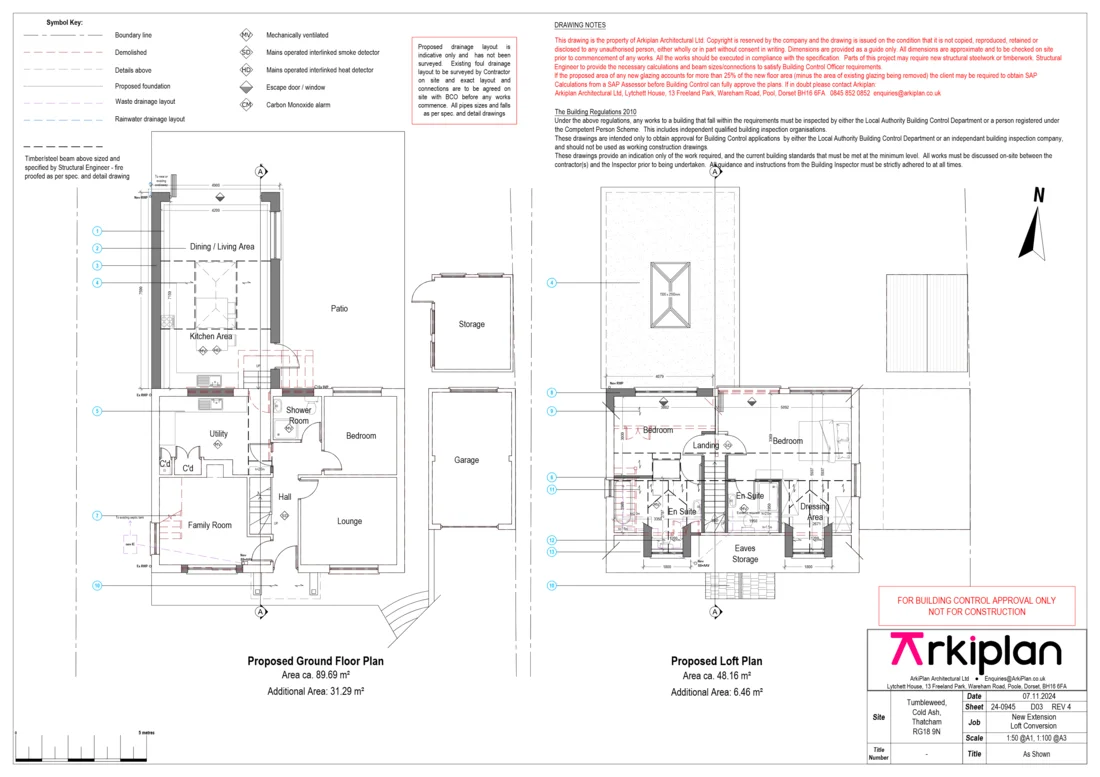
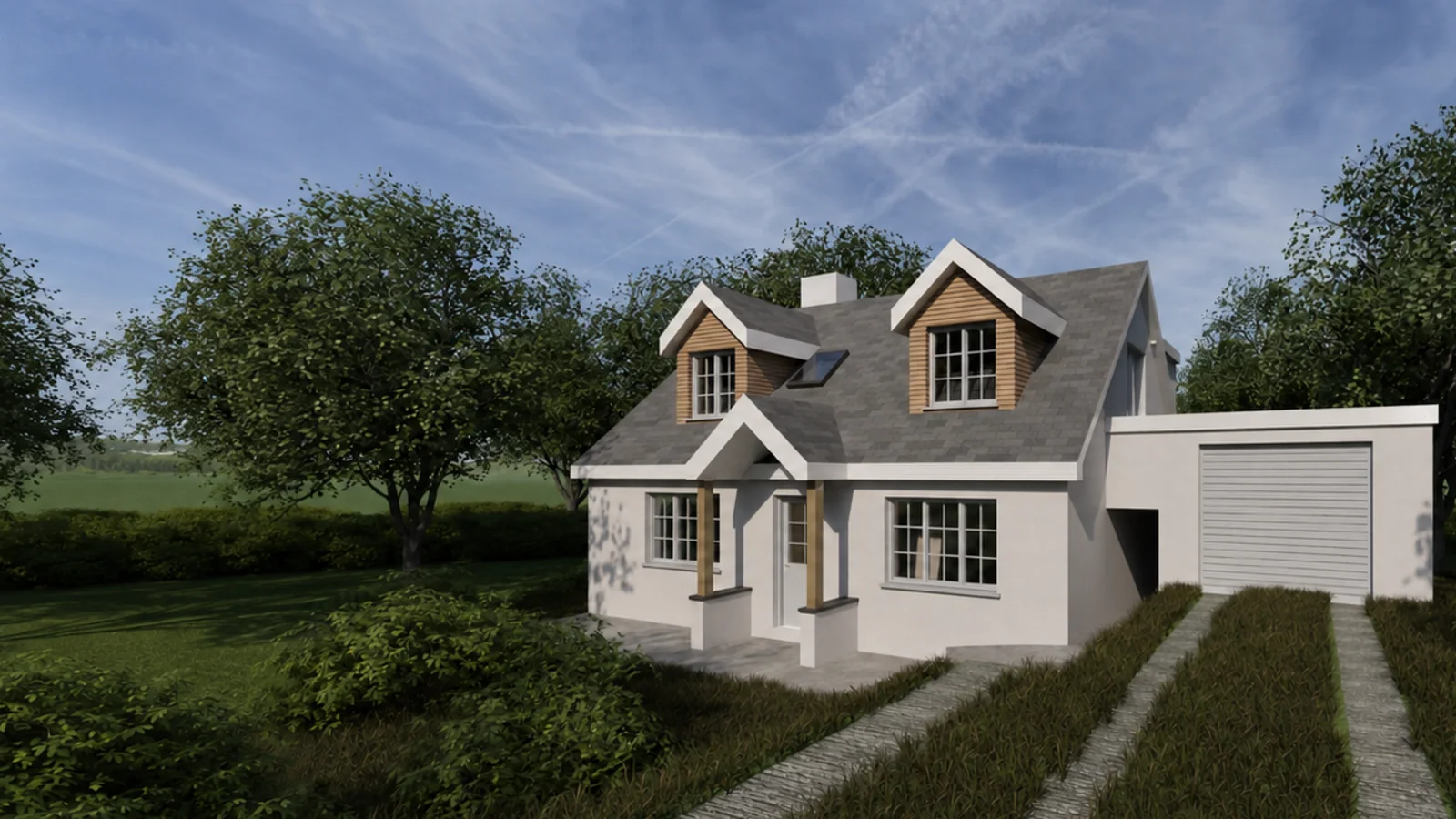
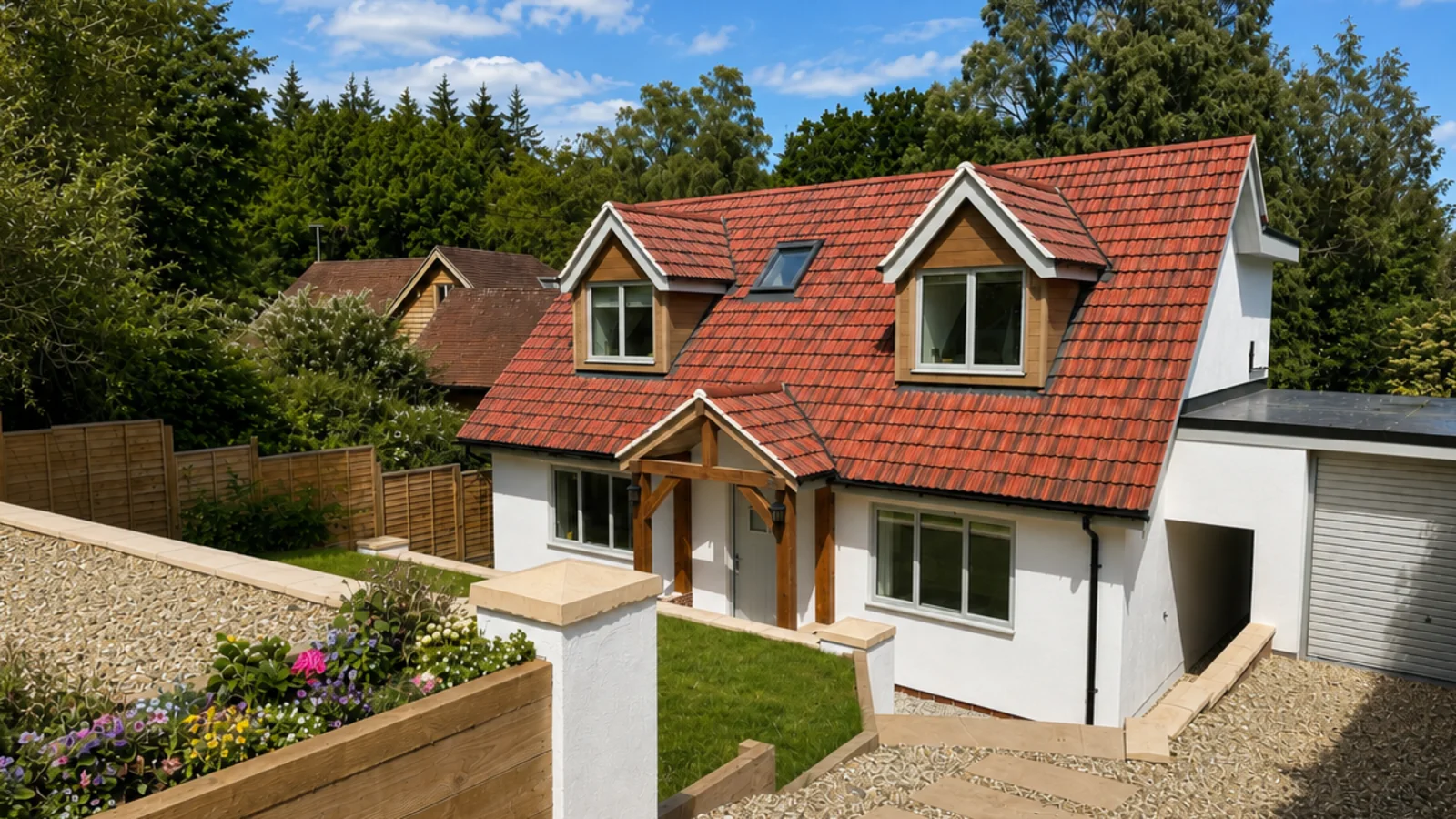
One project, start to finish
From the house as we found it to the finished build.
Project 401788. Nicky and Harri filmed the whole build on their YouTube channel.
Wherever you're up to, start here.
Answer a few quick questions and we'll guide you to your best next step. No obligation, no pushy sales.