

Quick Overview
A dormer loft conversion is one of the most effective ways to add space, light, and value to your home. By adding a box-shaped structure to your pitched roof, you can expand both headroom and floorspace, creating a practical new living area.
Typical costs for a standard dormer conversion start around £20,000–£40,000 (VAT included), with most projects completed within several weeks. Many homeowners can take advantage of Permitted Development rights, meaning planning permission may not be required—though some rules apply.
Why Dormer Loft Conversions Are Popular
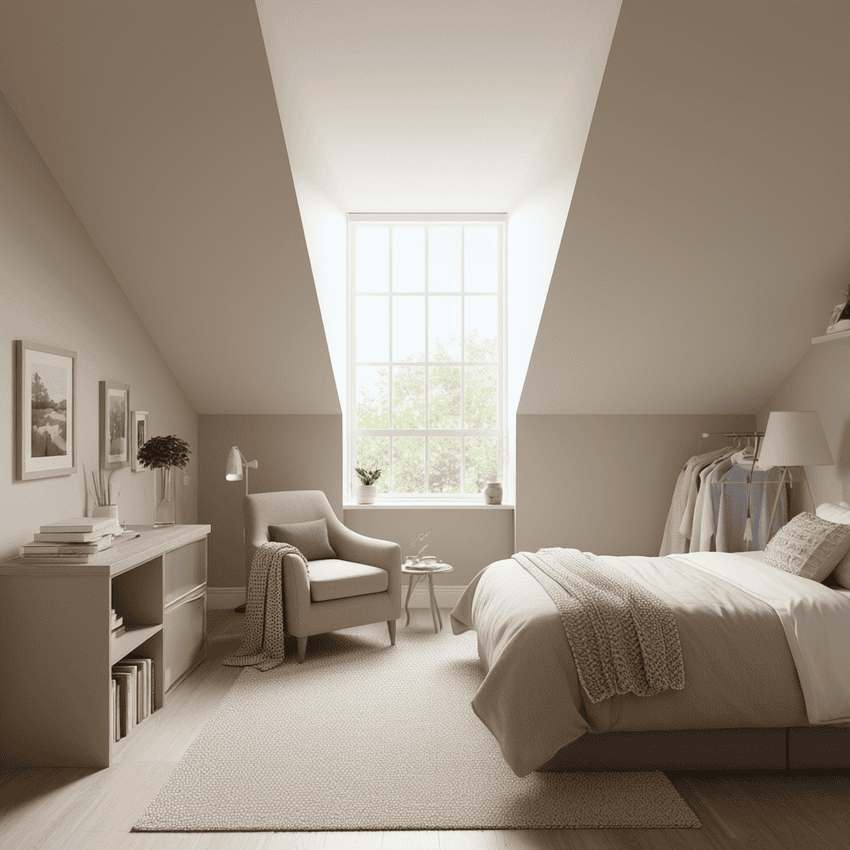
UK homeowners are facing a space crunch, especially in city areas. With limited new builds and rising stamp duty costs, moving isn’t always the solution.
This is why loft conversions have surged in popularity. Creating extra space at home, rather than moving, is now a preferred option for many families.
With recent tax changes like the April 2025 stamp duty hikes, the trend toward maximising your existing home is expected to continue.
What Is a Dormer Loft Conversion?
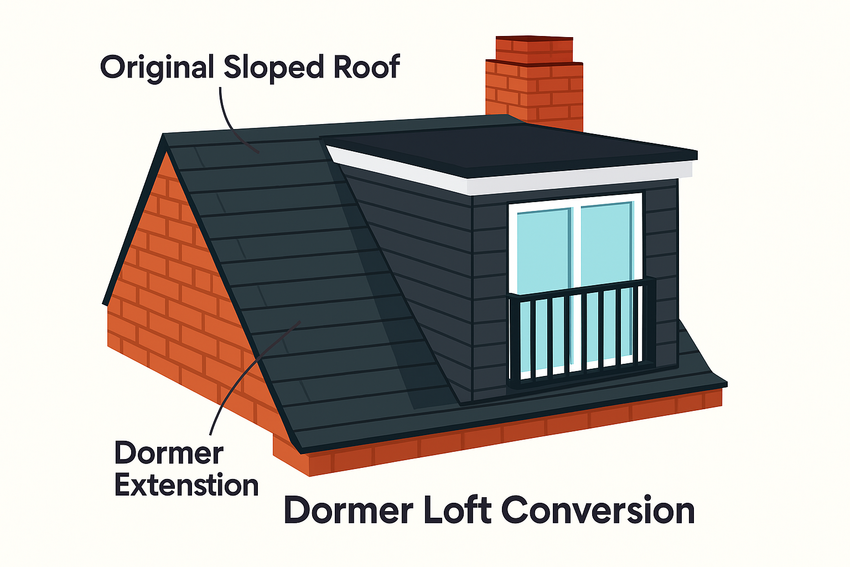
A dormer loft conversion adds a box-shaped extension to your roof, creating vertical walls that sit at 90 degrees to the floor. This not only increases headspace but also provides additional floorspace, making your loft usable for bedrooms, offices, or bathrooms.
Types of Dormer Loft Conversions
At Arkiplan, we help homeowners choose the right style for their home. Popular dormer types include:
- Flat roof dormer: Horizontal roof for maximum internal space.
- Shed dormer: Flat roof that slopes gently for a sleek look.
- Dog-house dormer: Two pitched sides, classic design.
- L-shaped dormer: Combines two dormer sections for extra space.
- Hipped roof dormer: Three-sided roof, ideal for larger homes.
Is Your Home Suitable for a Dormer?
Most homes with pitched roofs and loft space can accommodate a dormer. Even lofts that feel too small can benefit, thanks to the extra headroom provided.
Semi-detached houses are particularly suitable, offering multiple options to create the extra living space families need.
Do Dormer Conversions Require Planning Permission?
One major advantage of a dormer is that it often falls under Permitted Development rights, allowing you to extend your home without full planning approval.
However, certain restrictions apply:
- Your home is a listed building or in a conservation area.
- Your dormer exceeds 40m² for terrace houses or 50m² for semi-detached/detached homes.
- The dormer roof is higher than your existing roof.
- The dormer features a full balcony (Juliet balconies are fine).
- Materials are inconsistent with your home’s style.
- Neighbours may experience overlooking or overshadowing.
- Protected species like bats live in your loft.
Even if your project qualifies under Permitted Development, it’s wise to apply for a Lawful Development Certificate. This ensures legal protection and adds confidence for future buyers, proving the extension is professionally designed.
Dormers and Building Regulations
While planning permission may not be required, building regulations are essential. Compliance ensures your loft is safe and habitable, covering:
- Minimum headroom
- Fire safety measures
- Insulation standards
- Electrical installations
- Staircase design
- Soundproofing
How Arkiplan Can Help
Considering a dormer loft conversion? Arkiplan makes the process simple:
- Free consultations to assess your home, budget, and design options.
- Guidance on planning permission and Lawful Development Certificates.
- Complete building regulation compliance, including drawings and calculations.
Transform your loft into a functional, beautiful space that adds both comfort and value to your home.
Book your free Arkiplan consultation today and see what your home can become.